Hawthorn Winter Arts Festival: A First-Timer's Guide to Parking, Tickets, and Best Times

Hawthorn's Winter Arts Festival fills a handful of cold days with music, gallery shows, markets and late-night sets, and the first-timers who enjoy it most are the ones who did ten minutes of planning first. The festival is easy to love and surprisingly easy to get wrong: the wrong parking decision can cost you an hour, and the wrong ticket timing can cost you the show you actually wanted to see. Here's what to sort out before you leave the house.
The programme splits into two rough halves, and they behave very differently. Ticketed events — headline concerts, seated theatre, workshops with limited capacity — are indoors, start at fixed times, and reward planning. The rest is walk-up: open studios, installations, craft markets, street performances and pop-up food. You can drift through that half all day without a ticket.
Before you go, open the festival map and answer three questions. Which venues are indoors? Which sit close enough together to move between on foot? And which events need a ticket rather than a donation at the door? Screenshot the map and the day's schedule; signal in the busiest blocks is unreliable, and a paper copy tucked in a pocket is worth more than a dead phone.
The single biggest mistake is circling the streets nearest the main venue hoping a spot will open up. It rarely does, and you burn the goodwill you'll want later in the evening. Park at the edge of the festival footprint and walk ten minutes.
A free or low-cost loop usually connects outer parking areas to the main venues, which is what makes the perimeter strategy work. Treat the posted schedule as a guide rather than a promise and check the festival's own page on the day for the current loop and last departure, since evening ridership changes it.
A few habits help. Board at the first stop on the way in so you get a seat; on the way home, walk one stop back from the main venue and you'll skip the crush. Have your fare or pass ready before the doors open. And note the final shuttle time — it is almost always earlier than people expect, and the walk back is longer than it looks in the cold.
Headline shows and anything in a small room sell out, sometimes days ahead. Buy those as soon as you know your dates. Daytime programming, markets and most walk-up events rarely do. A few practical rules:
Crowds follow a predictable curve, so pick your window by what you want from the day.
Busiest and loudest. Good for opening-night energy, poor for browsing. Eat before you arrive or expect a queue at every counter.
The sweet spot. Galleries and open studios are calm, staff have time to talk, and you can actually see the work. Bring children now rather than after dark.
Headliner time. If your show starts at eight, be in the district by seven — parking and shuttles both tighten in that hour.
Quietest and easiest. Some events wind down early, so check closing times, but this is the best window for a relaxed first visit.
Dress in layers rather than one heavy coat. Indoor venues run warm once they fill, and you'll be carrying whatever you can't wear. Use coat checks where they exist. If you need step-free access, seating, or a quiet space, contact the venue ahead of the day — smaller halls often arrange it easily when asked in advance, and rarely at the last minute.
With children, plan a half day rather than a full one. Choose one ticketed event, one walk-up activity, and a definite snack stop. Agree on a meeting point at the start — a specific doorway, not "by the stage" — and write your phone number on a card for anyone old enough to wander. If crowds are the problem, the Sunday window and mid-afternoon slots are your friends.
That's the whole trick. The festival rewards people who treat it as a day out rather than a checklist. Plan the parking and the one show you can't miss, then let the rest of the afternoon happen.
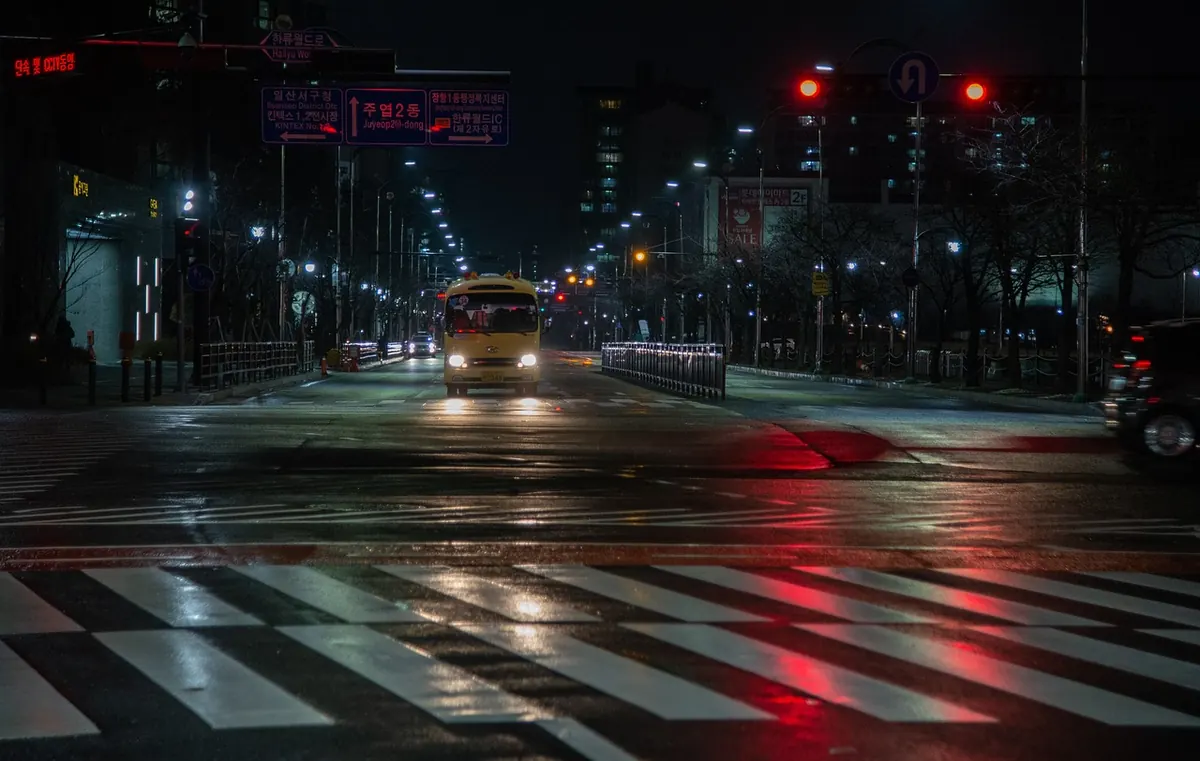
Photo: Van3ssa_ / Pixabay