Opinion: Hawthorn Needs Later Bus Service on Weekends
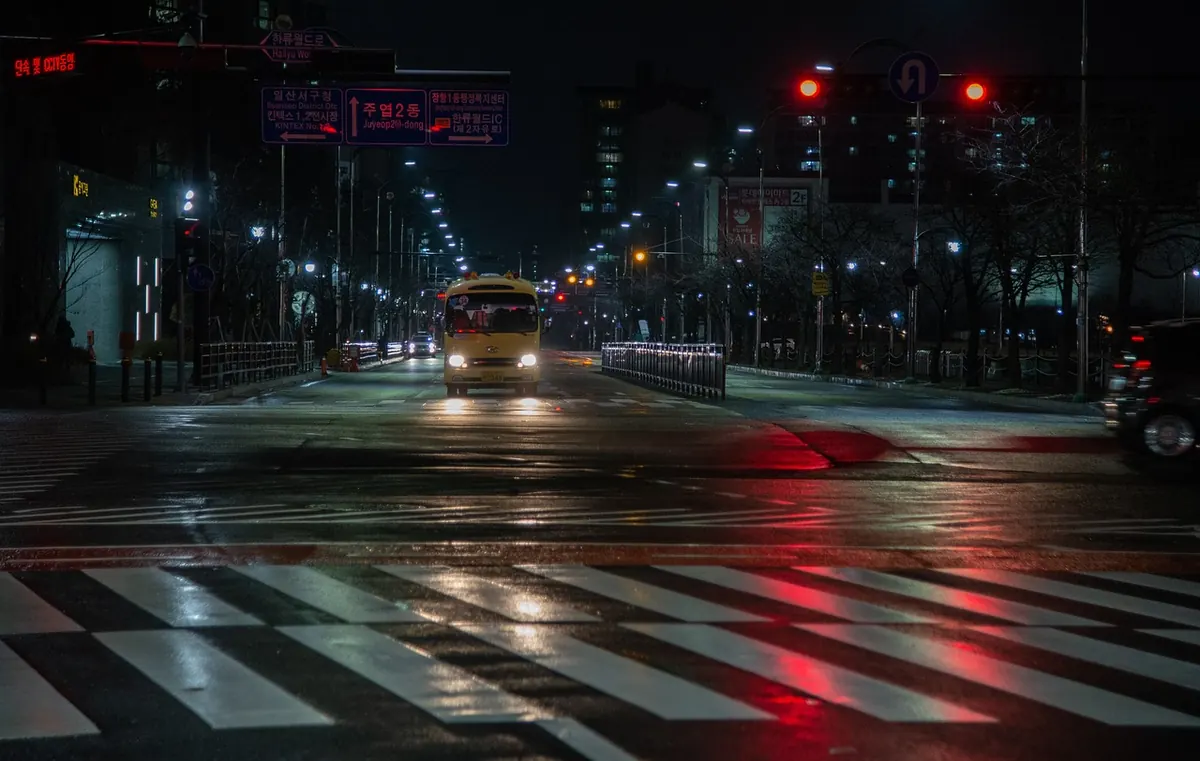
Saturday night, a little after eleven, the bus shelter on the main street holds a small, quiet crowd. A line cook still smelling of fryer oil. Two students who closed a café and counted the till. A nursing assistant who has to be back on the ward at seven the next morning. They are not waiting for a bus. They are waiting for a friend with a car, or doing the arithmetic on a rideshare that would swallow a chunk of the shift they just finished.
The last bus through most of Hawthorn runs well before the bars close, well before the kitchens are scrubbed down, well before the late shift at the hospital hands over. On Sundays, the schedule thins out even earlier. For a town that asks people to work nights and weekends — and then asks them to spend their money here too — that gap is not a minor inconvenience. It is a tax on the people who keep Hawthorn running after dark.
It is tempting to frame later buses as a nightlife issue, a favor to people who want one more drink. That framing undersells it. The people most affected by an early last bus are workers, and their shifts do not end when the schedule says they should.
These are not edge cases. They are a substantial slice of the local workforce, and every one of them is making the same calculation: take the earlier bus and lose hours, or take the ride and lose the money.
When the bus stops running, the trip does not disappear. It just moves to a different budget line. A late-night rideshare from the center of town to the outer neighborhoods is not a small number for someone earning an hourly wage. Do that three or four times a week and it starts to rival a car payment — without the car.
The alternatives are worse. Some workers cut their availability, which costs them shifts and standing with their managers. Some walk long, badly lit stretches of road with no sidewalk, which is a safety problem before it is anything else. Some drive when they should not. Any honest accounting of late-night driving in this town has to include the people who chose it because there was no other way home.
Nobody is proposing that every route run every twenty minutes until three in the morning. That would be expensive and mostly empty. A sensible first step is narrower and cheaper than the loud version of this argument:
A seasonal pilot is easier to fund, easier to staff and easier to argue about than a permanent overhaul. Pick a start date, set a review date, and put the numbers in public. That is how you turn a slogan into a line item.
The first objection is drivers, and it is real. Transit agencies everywhere are short of operators, and no schedule matters if nobody is behind the wheel. But late-night runs can be built from existing staff who want overtime, part-time operators, or shifted start times — not necessarily from new full-time hires. It is a scheduling problem before it is a hiring crisis.
The second objection is cost. Yes, a bus at midnight is less efficient per rider than a bus at eight in the morning. It also does something the morning bus cannot: it decides whether a nurse takes the job, whether a restaurant stays open an extra hour, whether a teenager can hold down a shift. Empty seats are a bad metric for a service that exists precisely when demand is thin but need is high.
The third objection is noise and disruption in residential streets. This is a legitimate neighborhood concern, and it deserves a specific answer rather than a shrug. Buses are quieter than they were a decade ago, and a fixed route with fixed stops disturbs fewer households than dozens of individual cars idling outside a bar at closing time. If a particular stop is the problem, move the stop. Do not cancel the route.
A town that can be reached after dark is a town that can hire. Local employers in hospitality, health care and retail compete with neighboring areas for the same workers, and reliable transportation is part of the offer. When a prospective employee asks how they would get home, "there is no bus" is a reason to take the job somewhere else.
It also changes the streets themselves. Fewer people driving after a long shift or a late dinner means fewer bad decisions with two tons of metal. Weekend late-night service is one of the few municipal investments that pays out in safety, in local spending and in the simple dignity of not begging for a ride home.
Opinions like this one do not move schedules. People do, and the useful work is specific and unglamorous.
Hawthorn is not asking for much. A bus at midnight on a Saturday, a Sunday run timed to shift change, a schedule that admits the town has a night economy and the people who work in it. That is a small line in a budget and a large difference to the person standing at the shelter at eleven o'clock, deciding whether to wait for a bus that is not coming or pay for one that is.
Photo: wal_172619 / Pixabay
Previous Post
Hawthorn High School Football Season Preview: 5 Games You Shouldn't Miss
Next Post
Local Election 2026: A Plain-English Explainer of Hawthorn's Ballot Measures